

Al Packer Ford Royal Palm Beach - How Much Can a 2027 Ford Super Duty F-350 Tow for Loxahatchee, FL Truck Shoppers?
Towing confidence starts with understanding what a truck can do when it is properly equipped, and the Ford Super Duty® F-350® gives heavy-duty shoppers a strong foundation for that conversation. Whether your trailer is connected to work, land ownership, horses, equipment, or travel, the right configuration can make a noticeable difference in control, confidence, and long-term satisfaction. The F-350® is not a one-size-fits-all pickup. It is a configurable heavy-duty truck with multiple cab layouts, bed lengths, drivetrains, axle choices, wheel setups, and engine options that all influence towing capability.
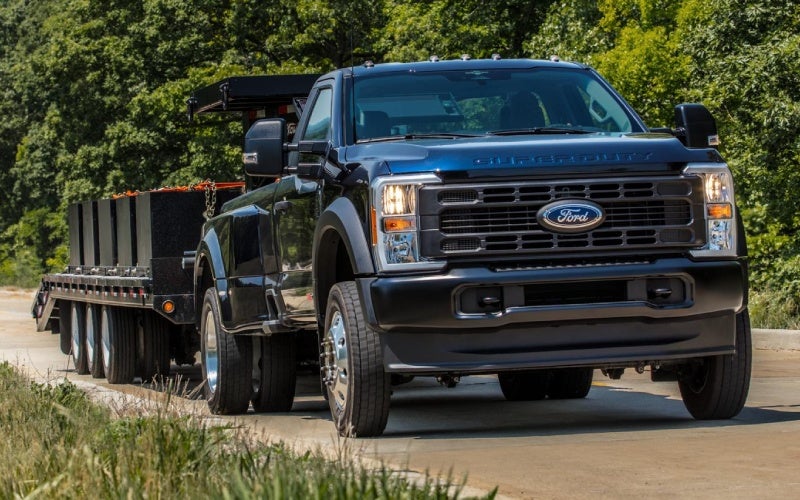
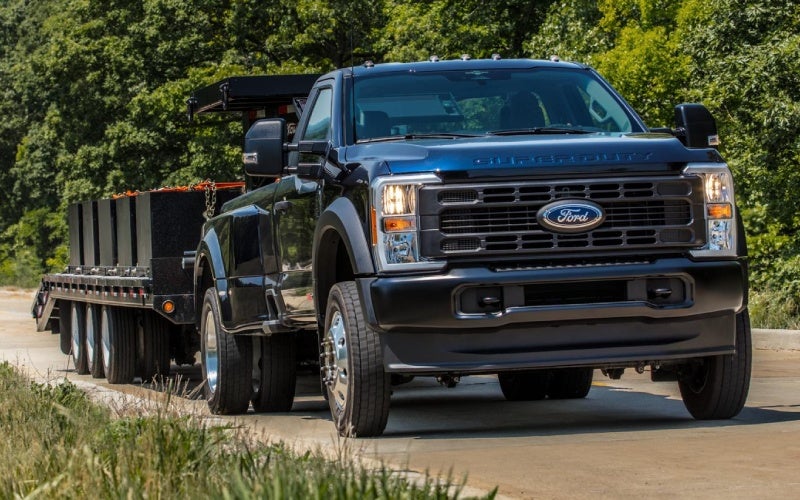
Ford lists the Super Duty® lineup with best-in-class max available towing of 40,000 lbs when properly equipped. That top figure applies to gooseneck towing, while fifth-wheel and conventional towing have separate maximum ratings. For in-market shoppers, the most important takeaway is that the correct tow rating depends on the exact truck build. A shopper comparing two F-350® models should look beyond the badge and review the full configuration, including engine, cab, bed, drivetrain, axle ratio, Gross Combined Weight Rating, payload, and towing equipment.
Understanding the Top Towing Numbers
Ford identifies three key maximum available towing figures for the 2027 Super Duty® truck family. Properly equipped models can tow up to 40,000 lbs with a gooseneck setup, up to 35,000 lbs with a fifth-wheel setup, and up to 30,000 lbs with conventional towing. Each hitch type serves a different purpose. Conventional towing uses a receiver hitch at the rear of the truck and is common for many utility trailers, boats, and campers. Fifth-wheel towing places the connection point in the bed and is often used for larger RVs. Gooseneck towing also connects in the bed and is widely used for equipment, livestock, and commercial trailers.
For Loxahatchee-area shoppers, that distinction matters. A truck used for an equestrian property, landscape business, or equipment hauling may need a different setup than a truck used for family travel or occasional towing. The trailer’s loaded weight, hitch design, tongue or pin weight, and braking requirements should all be reviewed before selecting a configuration. A strong engine is important, but towing confidence also comes from the whole package working together.
Engine Choice and Towing Performance
The F-350® offers two important engine options. The standard 7.3L 2V DEVCT NA PFI V8 Gas engine is rated at 420 horsepower at 5,350 rpm and 445 lb-ft of torque at 4,250 rpm. This engine gives drivers a durable, confident gas-powered option for heavy-duty use, payload demands, and many towing needs. Ford lists the 7.3L gas engine with maximum available towing of 22,500 lbs in the Super Duty® towing-by-engine information, depending on configuration.
The available 6.7L High-Output Power Stroke® V8 Turbo Diesel B20 engine is the choice for shoppers focused on maximum torque and top towing capability. Ford rates this engine at 500 horsepower at 2,600 rpm and 1,200 lb-ft of torque at 1,600 rpm. That diesel torque arrives low in the rev range, which is helpful when launching a heavy trailer, climbing grades, or maintaining smooth control under load. Ford lists the available diesel engine with maximum available towing of 40,000 lbs when properly equipped.
Why Configuration Matters
The same model name can represent very different trucks. A Crew Cab long-bed dual rear wheel diesel model built for towing has a different mission than a single rear wheel gas model designed for payload, maneuverability, and everyday use. Cab size affects weight. Bed length can influence towing equipment and utility. Four-wheel-drive capability adds traction benefits but also changes curb weight. Axle ratio affects pulling performance. Payload capacity must account for occupants, cargo, accessories, and hitch weight.
Before choosing a truck, it helps to organize towing needs into a practical list. This makes it easier to compare the right F-350® configurations and avoid guessing.
- Trailer type: Identify whether you plan to tow conventional, fifth-wheel, or gooseneck trailers.
- Loaded trailer weight: Use the realistic loaded weight, not just an empty trailer estimate.
- Hitch weight: Include tongue weight or pin weight when calculating payload needs.
- Passenger and cargo load: Add people, tools, gear, and installed accessories to the payload calculation.
- Driving environment: Consider property access, highway travel, jobsite surfaces, parking areas, and turning space.
Once those details are clear, a dealership truck specialist can help identify which configuration aligns with the intended workload. That approach is especially useful for shoppers balancing towing capability with comfort, maneuverability, and long-term ownership support.
Technology That Supports Towing
Power gets the trailer moving, but technology helps make towing more manageable. The F-350® offers available driver-assist and visibility features that can help reduce stress while maneuvering a large truck and trailer combination. Ford notes the available 360-Degree Camera can provide a bird’s-eye view while parking. Available PowerScope® trailer tow mirrors improve side visibility, and available LED sideview-mirror spotlights can help illuminate areas around the truck.
Tow/Haul mode is another important part of the towing experience. Ford explains that Tow/Haul mode is engineered to optimize vehicle performance and control when carrying heavy loads or pulling a trailer. It modifies transmission shift points, helps reduce gear hunting, supports power delivery during acceleration and climbing, and enhances engine braking on descents. For a heavy-duty truck, that kind of integrated control can make the drive feel more composed.
Single Rear Wheel or Dual Rear Wheel?
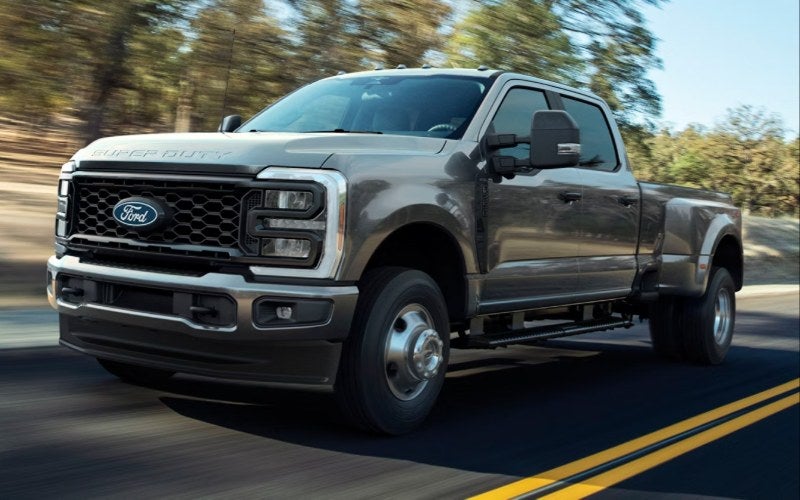
Single rear wheel and dual rear wheel choices deserve careful attention. Single rear wheel models use one wheel on each side of the rear axle and are often easier to maneuver in daily driving. This setup can be a strong fit for drivers who tow moderate loads, use the truck often around town, or want a more familiar pickup feel. Dual rear wheel models use two wheels on each side of the rear axle, improving stability, weight distribution, towing capacity, and payload capability for more demanding applications.
For many shoppers, the decision comes down to how often the truck will tow near its upper capability range. If the truck will regularly handle large gooseneck or fifth-wheel trailers, dual rear wheel stability may be worth strong consideration. If the truck needs to split time between towing and everyday driving, single rear wheel maneuverability may be appealing.
Shopping Guidance for Local Truck Buyers
Al Packer Ford Royal Palm Beach helps heavy-duty shoppers compare the details that matter, from powertrain and axle choices to bed length, cab layout, available 4x4, and towing technology. Our team understands that customers serving Jupiter, West Palm Beach, and Loxahatchee may have very different uses for a Super Duty® truck, so the shopping process should start with the work the truck needs to accomplish.
A prepared shopper should bring trailer details, expected cargo weight, desired seating capacity, parking considerations, and technology preferences. If you have a current truck, trade-in information can also help streamline the process. The more specific the towing conversation becomes, the easier it is to identify a truck that fits both capability goals and day-to-day driving.
Frequently Asked Questions:
Can the F-350® tow a large fifth-wheel camper?
Yes, when properly equipped, Super Duty® trucks can offer up to 35,000 lbs of fifth-wheel towing capability. The exact rating depends on configuration, so shoppers should compare the camper’s loaded weight, pin weight, and the truck’s payload and towing ratings before choosing a model.
Is the diesel engine necessary for towing?
Not always. The standard 7.3L gas V8 is a strong option for many towing and hauling needs. The available 6.7L High-Output Power Stroke® V8 Turbo Diesel B20 engine is best suited for shoppers seeking maximum torque and the highest available towing capability.
What information should I bring when shopping for a towing truck?
Bring trailer type, loaded trailer weight, hitch weight, preferred hitch style, passenger count, cargo expectations, and where the truck will be driven most often. These details help narrow down the right configuration.
Does towing capacity change by cab and bed?
Yes. Cab size, bed length, drivetrain, axle ratio, engine, wheel setup, and equipment all influence towing and payload capability. That is why reviewing the exact truck configuration is essential before making a decision.
The Ford Super Duty® F-350® is built for serious towing, but the best choice is the one configured around your real trailer, cargo, and driving needs. With strong engine options, available towing technology, and impressive maximum ratings when properly equipped, it gives truck shoppers the capability to take on demanding work and recreation with confidence.