Al Packer Ford Royal Palm Beach

Blog / Ford Transit

Which 2027 Ford Transit Roof Height Works Best for Jupiter, FL Routes?

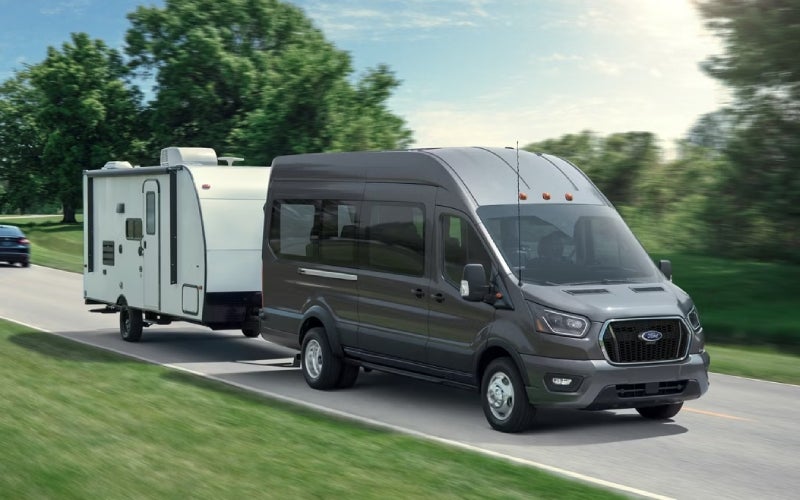
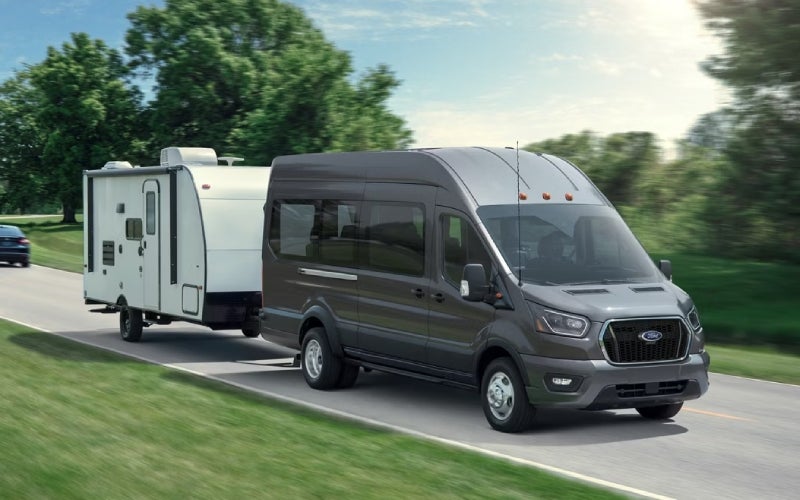
2027fordtransit-exterior-02
Which 2027 Ford Transit Roof Height Works Best for Jupiter, FL Routes?

Al Packer Ford Royal Palm Beach - Which 2027 Ford Transit Roof Height Works Best for Jupiter, FL Routes?

Choosing the right 2027 Ford Transit® roof height can make daily work smoother for Jupiter, FL business owners who move tools, supplies, equipment, passengers, or deliveries across busy local roads, condo communities, retail centers, marinas, and job sites.

At Al Packer Ford Royal Palm Beach, we help shoppers think beyond the spec sheet because roof height affects more than interior standing room. It can influence how easily your van fits under covered loading areas, how comfortably your crew works inside the cargo space, how much room you have for shelving or equipment racks, and how confident you feel navigating parking areas near Indiantown Road, US-1, Abacoa, Harbourside Place, and nearby Palm Beach County service routes.

The Ownership Question: Which Roof Height Should You Choose?

The 2027 Ford Transit® Cargo Van is available in three roof heights: Low at 82.7 in., Medium at 99.8 in., and High at 110 in. That spread gives Jupiter-area shoppers meaningful flexibility, but it also means the right answer depends on how the van will actually be used. A plumber carrying parts bins, a florist delivering arrangements, a mobile detailing business, and a shuttle operator may all look at the same Transit® lineup and land on different configurations.

For many owners, the decision comes down to a practical tradeoff: lower overall height for easier access to more parking structures and covered areas, or greater interior height for walk-in convenience, cargo organization, and a more efficient mobile workspace. Because Jupiter includes a mix of residential neighborhoods, commercial plazas, waterfront destinations, medical offices, and construction access points, it helps to map the roof height to the route instead of choosing based on maximum space alone.

How the Low Roof Fits Local Driving

The Low Roof 2027 Ford Transit® is often the most convenient choice for drivers who value everyday maneuverability and access. With an 82.7 in. roof height, it is the lowest Transit® Cargo Van option, which can matter when your route includes covered drop-off zones, tighter commercial parking lots, service calls at townhome communities, or frequent stops where overhead clearance is part of the routine.

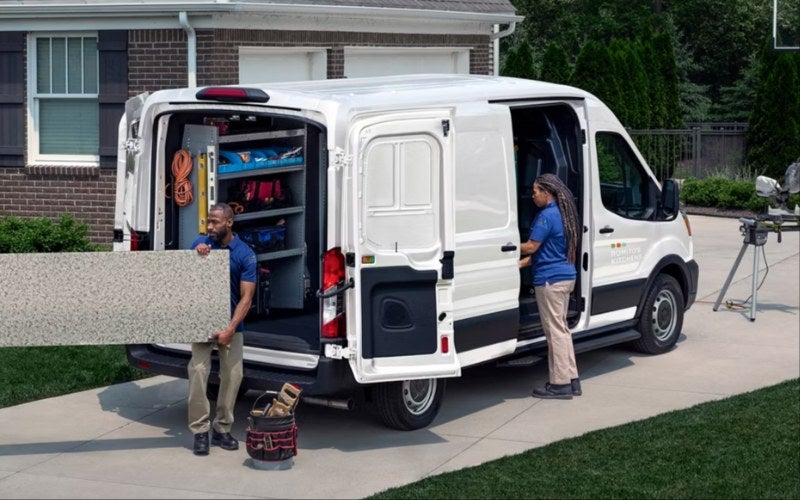
This configuration can be especially useful for businesses that carry organized tools, parcels, samples, or supplies but do not need to stand fully upright inside the van. If most of your work happens outside the vehicle and the Transit® mainly serves as a secure, mobile storage area, the Low Roof can be a smart match. Pairing the right interior shelving system with the van's cargo-friendly layout can still provide excellent organization without adding unnecessary vehicle height.

When the Medium Roof Makes Sense

The Medium Roof, at 99.8 in., is a strong middle-ground option for many Jupiter-area owners because it adds meaningful vertical cargo space while remaining more manageable than the tallest configuration. This can be helpful for electricians, HVAC support crews, maintenance companies, caterers, cleaning services, and delivery businesses that want improved interior access without moving straight to the High Roof.

The added height can make it easier to load taller items, arrange stacked storage, and move through the cargo area with less crouching. For a business that makes multiple stops across Jupiter, Palm Beach Gardens, Juno Beach, and Royal Palm Beach, that interior convenience can reduce strain over the course of a long day. The Medium Roof may also support a more useful upfit if you plan to add bins, drawers, partitions, or trade-specific equipment.

Why the High Roof Can Be the Productivity Choice

The High Roof 2027 Ford Transit® measures 110 in. tall and is built for owners who prioritize maximum vertical space. If your workday involves spending time inside the van, loading bulky items, operating a mobile service setup, or building out a highly organized cargo area, the High Roof can be the configuration that makes the van feel like a true workspace rather than just a transport vehicle.

For Jupiter businesses serving homes, marinas, office parks, medical facilities, and event locations, the High Roof can be especially valuable when interior movement is part of the job. Mobile repair businesses, event support teams, delivery operations with taller cargo, and upfit-heavy trades can all benefit from a van that allows easier access to equipment and more flexible storage. The key consideration is route planning. Owners should pay close attention to overhead clearance in garages, covered entrances, car washes, and loading areas before choosing the tallest model.

Key 2027 Ford Transit® Configuration Details to Compare

Roof height is only one part of the 2027 Ford Transit® decision. The lineup is designed to adapt to many business and personal-use needs, and the best roof height often pairs with the right length, powertrain, seating setup, and driver-assistance features. The Transit® Cargo Van is available with Regular, Long, and Extended lengths, along with rear-wheel drive or available Intelligent All-Wheel Drive.

  • Low Roof: Best for owners who prioritize access, easier clearance, and daily stop-and-go convenience.
  • Medium Roof: Best for businesses that need added cargo height while keeping the van manageable on varied routes.
  • High Roof: Best for mobile workspaces, taller cargo, upfits, and operators who spend more time inside the van.
  • Regular Length: Best for tighter routes where maneuverability and parking simplicity matter.
  • Long or Extended Length: Best for businesses carrying more equipment, shelving, inventory, or passenger-related gear.
  • Available Intelligent All-Wheel Drive: Best for added traction confidence when work routes include slick pavement, jobsite surfaces, or varied road conditions.

Those choices work alongside two available gas engines: the 3.5L PFDi V6 and the 3.5L EcoBoost® V6. The 2027 Ford Transit® can also be configured with a 25-gallon fuel tank or an available 31-gallon extended range fuel tank, which can be useful for businesses covering longer routes between Jupiter, Royal Palm Beach, West Palm Beach, and surrounding communities.

Technology That Helps in Tight Local Spaces

Parking and maneuvering a full-size van requires attention, especially around crowded shopping centers, gated communities, busy service lanes, and compact business lots. The 2027 Ford Transit® includes standard Ford Co-Pilot360® technology, giving owners helpful confidence every workday. Standard features include front and rear parking sensors, Pre-Collision Assist® with Automatic Emergency Braking, and Lane-Keeping System.

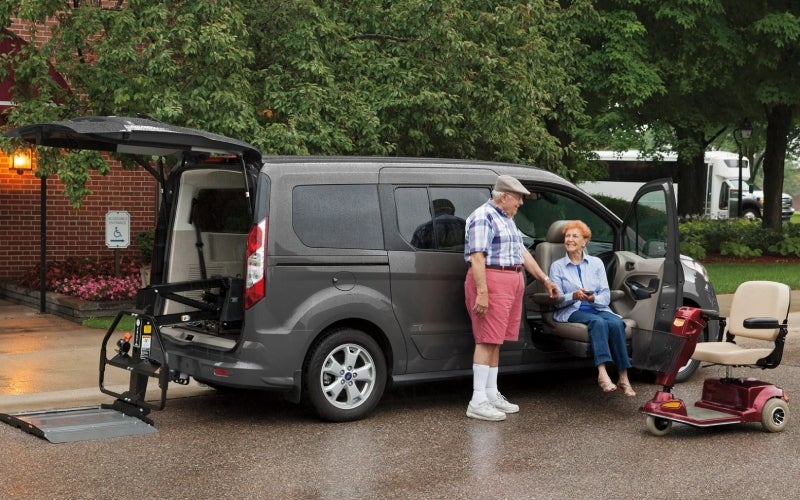
For shoppers considering passenger-focused use, the 2027 Ford Transit® Passenger Van XLT adds standard Ford Co-Pilot360® Assist 2.0 with Adaptive Cruise Control and 360-Degree Camera. That added camera visibility can be especially useful when picking up guests, managing shuttle routes, or maneuvering near hotels, offices, schools, parks, and community venues around Jupiter. Inside, the 12" Center Display with SYNC® 4 helps keep key vehicle functions and connectivity features easy to access.

What About the E-Transitâ„¢ Cargo Van?

Some shoppers comparing Transit® configurations may also consider the E-Transit™ Cargo Van. This fully electric option is designed for tools, equipment, and deliveries, with a maximum payload of 3,322 lbs. It also offers available Pro Power Onboard™ - 2.4 kW, which can help power equipment on the go. For businesses with predictable local routes, centralized charging access, and frequent stop-and-start driving, the E-Transit™ may be worth discussing with our team.

The same practical thinking applies: match the van to the route. A business making local deliveries throughout Jupiter and nearby areas may value electric operation and onboard power, while another business with heavier loads, longer regional travel, or specialized towing needs may prefer a gas Transit® configuration. Our team at Al Packer Ford Royal Palm Beach can help compare the options around your real operating needs.

How to Choose Before You Buy

Before selecting a roof height, make a short list of the places your Transit® will visit most often. Include office parking, home parking, customer driveways, shopping centers, job sites, garages, loading docks, and storage facilities. Then note any posted clearance limits. This simple step can prevent frustration after purchase and help you choose a configuration that supports your day-to-day routine.

  1. Measure your must-access areas: Check home, office, garage, warehouse, and covered loading clearances.
  2. List your tallest cargo: Include tool cabinets, ladders, catering racks, equipment cases, bins, and packaged goods.
  3. Consider time spent inside: Choose more roof height if your crew frequently works from inside the van.
  4. Think about upfits early: Shelving, partitions, racks, and drawers can change how much usable height you need.
  5. Test the route mindset: Picture your most common Jupiter-area stops before choosing the tallest or shortest configuration.

At Al Packer Ford Royal Palm Beach, we can walk through these details with you, compare Transit® configurations, and coordinate support through our Ford service and parts resources. Our dealership is located at 10601 Southern Boulevard in Royal Palm Beach, making us a practical resource for Jupiter, Palm Beach Gardens, West Palm Beach, Wellington, and surrounding Palm Beach County drivers.

Frequently Asked Questions:

What is the height of the 2027 Ford Transit® Van?

The 2027 Ford Transit® Cargo Van offers three roof heights: Low at 82.7 in., Medium at 99.8 in., and High at 110 in. The best choice depends on your parking clearances, cargo needs, upfit plans, and how often you need to move around inside the van.

Which 2027 Ford Transit® roof height is best for Jupiter, FL service routes?

For many Jupiter service routes, the Medium Roof is a strong balance because it provides more interior height than the Low Roof while staying easier to manage than the High Roof. However, businesses with frequent garage access may prefer the Low Roof, while mobile workspace users may benefit most from the High Roof.

Is the 2027 Ford Transit® available with All-Wheel Drive?

Yes. The 2027 Ford Transit® offers available Intelligent All-Wheel Drive, which can add traction confidence for businesses and drivers who encounter varied road surfaces, jobsite access points, or changing pavement conditions.

Can Al Packer Ford Royal Palm Beach help with Transit® ownership after purchase?

Yes. Our service center and parts department support Ford maintenance, genuine OEM parts, and ownership needs. We can help you plan routine service, order parts, and keep your Transit® ready for business across Jupiter and the greater Palm Beach County area.
Request more 2027 Ford Transit information

Posted in:

Related Posts

Which 2026 Ford Transit® Roof Height Fits Parking Garages in Wellington, FL?

Which 2026 Ford Transit® Roof Height Fits Parking Garages in Wellington, FL?

Al Packer Ford Royal Palm Beach - Which 2026 Ford Transit® Roof Height Fits Parking Garages in Wellington, FL? If you run routes around Wellington, FL — from school pickups off Forest Hill Boulevard to client calls near The Mall at Wellington Green — your van’s roof height is more than a spec sheet detail. It determines whether you glide into a parking garage without worry, pull into a condo carport with confidence, and even which local car washes you can use. With the 2026 Ford Transit® offering three roof heights and two lengths, our team at Al Packer Ford Royal Palm Beach put together a practical guide to help you choose the configuration that will actually work where you live and drive. Below, we break down real-world clearance considerations for Wellington-area garages and covered parking, how the Transit’s roof options compare, and the quick measuring steps that save headaches later. We also cover how common accessories — ladder racks, signage, and A/C upfits — can change overall height, plus which Transit setups make the most sense for HOA neighborhoods, shuttle duty, and mobile trades. Why Vertical Clearance Matters Around Wellington Wellington mixes open-lot destinations with plenty of covered structures. Medical offices, municipal buildings, and some shopping destinations use posted-clearance garages. Many condo and HOA communities feature carports or low-clearance entries designed around typical SUVs. If your business takes you into West Palm Beach or near Palm Beach International Airport, ramped entries and overhead pipes can shave usable clearance below the number on the sign. Choosing the right 2026 Transit roof height keeps daily stops simple instead of stressful. Another local factor is the variety of jobs a Transit tackles here — from equestrian support and catering to church and school groups. The best height is the one that balances stand-up room inside with the ability to park where your work actually takes you. That’s exactly why Ford builds the Transit with Low, Medium, and High Roof options. 2026 Ford Transit Roof Heights at a Glance The official roof height numbers are the best place to start before you account for accessories or upfits. Here is a quick comparison to frame your decision. Low Roof (82.4 in): Stands about 6 ft 10.4 in. In stock form, this typically clears many 7 ft posted garages and HOA carports, but you should always confirm on-site and allow a safety margin. Medium Roof (99.2 in): Stands about 8 ft 3.2 in. This often exceeds common 7 ft entries and may be too tall for some garages signed at or near 8 ft, especially on ramps or near overhead piping. High Roof (108.6 in): Stands about 9 ft 0.6 in. This maximizes interior walk-in comfort, but it generally requires open-lot parking or facilities with specialty commercial clearance. Remember that overall height can change based on tires, load, and dealer- or customer-installed equipment. When in doubt, measure the actual van you plan to purchase — and measure the spaces you plan to use. What Adds Height Above the Factory Number Plenty of useful add-ons can nudge your Transit’s top edge higher than you might expect. That’s not a reason to skip them — just a prompt to plan smartly and measure once more before you assume a tight entry will work. Roof racks and crossbars: Even low-profile systems can add an inch or more. Heavier-duty ladder racks may sit higher and can be the difference between clearing and contacting a beam. Roof-mounted HVAC or vent units: RV-style or commercial HVAC modules can extend above the sheet metal. Placement matters if you frequently use garages with hanging signage or pipes. Light bars, beacons, and antennas: Safety equipment is essential for job sites, but it can be vulnerable in low-clearance entries unless you spec compact or flexible designs. Wraps, signage, and camera mounts: Most graphics do not change height, but some 3D logo elements and external camera housings can. Our parts and upfit specialists can walk you through low-profile options that preserve as much clearance as possible without sacrificing usability. How to Measure — And Know You’ll Fit A few quick checks will give you clarity before you commit to a configuration. Here is a simple, repeatable process we use with local shoppers who need garage certainty. Measure the planned entry: Use a tape to check the lowest hard point at the garage or carport entry, not just the posted sign. Look for sprinkler heads, conduits, and crossbeams inside the first 20–30 feet. Measure your target Transit: Verify the specific unit on our lot — stock roof height plus any installed accessories. We will help you reach the highest points safely. Allow for margin: Ramps and suspension compression can reduce real-world clearance. We recommend at least 1–2 inches of buffer beyond the highest measured point on the van. Do a test approach: If possible, visit the garage with us during your test drive and check approach angles and ramp transitions before you buy. Taking these steps once often saves countless detours later, especially if your daily route includes a mix of properties with different designs. Which Roof Height Fits Your Wellington Use Case? Interior headroom is great — until it prevents you from parking where your customers or family are. Here is how we help most Wellington shoppers decide, based on common local needs. HOA and condo residents: Prioritize Low Roof. It is the safest bet for carports and many 7 ft posted entries. You will still enjoy flexible seating for up to 15 passengers and easy loading with Close Assist. Shuttle and group transport: Medium Roof can be ideal if your pickup and drop-off points are in open lots. Pair it with Passenger Van XLT features like the available 253-Degree Rear Door Opening for smoother curbside loading. Mobile trades and on-site services: Choose Medium or High Roof to maximize stand-up room if your job staging occurs in open-lot environments. Ask us about storage accessories that keep gear secure while preserving vertical space. Mixed urban-suburban routes: If your work straddles Wellington and tighter West Palm Beach garages, Low Roof simplifies life. Use the standard Ford Co-Pilot360® features — including front and rear parking sensors — to maneuver confidently in tight bays. Not sure where you’ll be parking most often? Start with Low Roof, then plan storage around interior height. We can help you configure shelves and organization that keep aisles clear without pushing you into a taller roof. Beyond Height — A Few Transit Highlights That Help Daily While roof height solves the garage question, a few 2026 Transit features make everyday Wellington driving easier. The standard SYNC® 4 with a 12-inch center display keeps directions and dispatch simple. Ford Co-Pilot360® driver-assist tech — including Pre-Collision Assist® with Automatic Emergency Braking and a Lane-Keeping System — helps on multilane stretches of Southern Boulevard. Available Intelligent All-Wheel Drive adds confidence on rainy days or grassy event parking without changing your overall roof height. And if your weekends include trailering, properly equipped Transit models can tow up to 4,500 lbs. If you frequently parallel park near village centers, consider the Passenger Van XLT with its available 253-Degree Rear Door Opening and Close Assist on the sliding door. These touches reduce effort when space is tight and people are moving in and out all day. Try It in Person — We’ll Help You Test-Fit We welcome you to bring a tape measure, a mockup of any planned roof equipment, and the addresses of the garages you rely on most. Our team will measure the exact Transit you’re considering, review accessories that maintain low profiles, and plan a route that mimics your everyday stops. That way, you leave knowing the van you choose truly fits your Wellington routine. Frequently Asked Questions: Will the Low Roof 2026 Ford Transit® clear a 7-foot parking garage? The Low Roof Transit measures 82.4 inches (about 6 ft 10.4 in) in stock form. That typically fits many 7 ft posted entries, but you should verify on-site and allow a 1–2 inch buffer for ramps, overhead pipes, or suspension compression. Add-on racks, lights, or HVAC units can increase height, so measure the actual van you plan to drive. Does Intelligent All-Wheel Drive change the Transit’s overall height? No. Available Intelligent All-Wheel Drive does not materially alter the factory roof height. Overall height is primarily determined by roof configuration and any roof-mounted equipment. Can a High Roof Transit use automatic car washes in our area? Many tunnel washes cap vehicle height around 7 ft to roughly 8 ft. A High Roof Transit at 108.6 inches generally exceeds those limits. Opt for touchless bays that specify higher clearances or hand washing. Always check posted height before entering any wash bay. What about airport or hospital garages near Wellington? Posted clearances vary by facility and can be reduced by interior piping and ramps. If those stops are part of your routine, bring the addresses when you visit us. We will help you measure the Transit you’re considering and plan a quick test approach to confirm fit. Does van length affect garage access as much as roof height? Length impacts maneuverability and stall overhang, but height usually determines entry eligibility. The Transit offers Long (235.5 in) and Extended (263.9 in) lengths. If you clear the entry vertically, the standard parking sensors — part of Ford Co-Pilot360® — help you maneuver inside tighter structures. At Al Packer Ford Royal Palm Beach, our goal is to match your 2026 Ford Transit to your daily Wellington life — not just to a spec sheet. Visit us at 10601 Southern Boulevard for a hands-on fitment session, explore Low, Medium, and High Roof vans side by side, and test how features like SYNC® 4 and Ford Co-Pilot360® streamline your routes. We will help you choose smart accessories, measure what matters, and drive away confident that your Transit fits the garages and covered parking you use every week. If you are ready to get started — or you want us to pre-measure a specific configuration for you — reach out to our team. We will set up a focused appointment, have measuring tools ready, and tailor the visit to the exact stops on your Wellington schedule. Request more 2026 Ford Transit information

2026 Ford Transit vs 2026 Ram ProMaster: Which Van Has Better All-Weather Traction for West Palm Beach, FL Teams?

2026 Ford Transit vs 2026 Ram ProMaster: Which Van Has Better All-Weather Traction for West Palm Beach, FL Teams?

Al Packer Ford Royal Palm Beach - 2026 Ford Transit vs 2026 Ram ProMaster: Which Van Has Better All-Weather Traction for West Palm Beach, FL Teams? When local businesses compare full-size vans, one question rises to the top: which van keeps traction and control more consistently when roads are wet, sandy, or uneven? Around West Palm Beach, FL, the answer has everyday consequences—heavy afternoon rain, standing water on Okeechobee Boulevard, and job sites with soft shoulders can quickly turn routine routes into stressful drives. Let’s break down how drivetrain layout and traction technologies differ between Ford Transit® and Ram ProMaster® so you can choose with confidence. The core difference: drivetrain and traction Transit® offers Rear-Wheel Drive or available Intelligent All-Wheel Drive. That choice matters because RWD promotes stable handling under load and a natural, balanced feel when towing. Add available AWD and you get confident power delivery to the wheels that can use it, reducing slip during hard launches in the rain or when pulling out of a sandy alley off Dixie Highway. ProMaster® uses a Class-Exclusive Front-Wheel Drive layout that excels at keeping the load floor low and helps with tight urban maneuvering, and it touts a best-in-class turning diameter. But without an AWD option, the front tires must both steer and pull, which can invite wheelspin when you’re accelerating from a stop with a full van on wet pavement. What this means in real West Palm Beach driving Consider two scenarios. First, your crew is leaving a hotel near the waterfront after a storm. In Transit® with Intelligent AWD, torque shifts where it’s needed for a sure-footed start, and drivers feel in control as the van tracks straight through pooled water. In ProMaster®, throttle modulation and the stability system help, but heavy throttle inputs on a slick surface can demand more care to prevent spin. Second, you’re navigating a parking lot with sand and leaf litter after landscaping work. Transit® AWD again puts its power down evenly, while FWD can spin earlier on loose surfaces, especially if the van is heavily loaded up front. Passenger shuttles vs crew vans If your work includes moving people—airport transfers, hotel loops, or private charters—Transit® wins on capacity and control. It offers factory seating for up to 15, so you can scale from morning shuttles to weekend events without mixing body styles. ProMaster®’s Crew Van Package seats up to six and is better suited when the priority is tools first, people second. Either way, keeping riders comfortable is easier when traction is drama-free in the rain or during quick merges onto I-95. Technology that supports traction and confidence Transit® equips Ford Co-Pilot360® as standard, including front and rear parking sensors, Pre-Collision Assist® with Automatic Emergency Braking, and a Lane-Keeping System—tools that reduce the mental load during tight maneuvers and long days. SYNC® 4 with a 12-inch center display makes route changes fast and clear, and a standard 8-inch cluster keeps alerts in your line of sight. ProMaster® also offers modern tech, including Forward Collision Warning with Active Braking and Pedestrian/Cyclist Emergency Braking, available LaneSense® Lane Keep Assist, Blind Spot Monitoring with Rear Cross Path Detection, Uconnect® 5 with a 10.1-inch screen, and available 360° Surround View Camera. Both vans bring credible safety tech; Transit® simply makes more of it standard across the board. Upfits, daily use, and uptime Both platforms are upfit-friendly. ProMaster® brings a low load floor, wide cargo openings, and multiple roof options, including a Super High Roof, which can be appealing for tall cargo. Transit® counters with three roof heights and two lengths, plus available Close Assist on the sliding side door to save effort during stop-and-go days. If your routes include frequent hotel drives, event setups, or beach shuttles, Transit®’s blend of people-first packaging and traction options tends to keep schedules smoother and drivers fresher. Who benefits most from AWD? Any team that works through Florida’s sudden storms, parks on sandy shoulders, or tows light equipment will notice the calm predictability of Transit® AWD. It’s particularly compelling for operators who split time between urban cores and outlying areas where drainage isn’t ideal and surfaces vary. If your duty cycle is strictly urban with predictable loads and you prize the lowest possible load floor, ProMaster®’s FWD may meet your needs. But if you want a wider capability envelope without changing trucks when weather rolls in, Transit® AWD is the simpler answer. Frequently Asked Questions: Does AWD help even on dry pavement? Yes. While AWD shines in the rain, it also improves stability and confidence when accelerating from short on-ramps, pulling away from angled driveways, or negotiating uneven lots. Drivers feel fewer traction interruptions, which reduces stress over a long day. Can the van still be upfitted with AWD? Absolutely. Transit® supports a wide array of upfits whether you choose RWD or available AWD, including seating, racks, partitions, and specialty gear. Your upfitter will match components to your roof height and length just as they would on an RWD configuration. Is front-wheel drive a disadvantage in the rain? Not inherently—modern stability and traction systems help FWD handle inclement weather. The difference is bandwidth: AWD provides more traction headroom, which drivers appreciate when the van is heavily loaded, the road is slick, and timing is tight. Bottom line for West Palm Beach operations If you want the broadest capability with consistent traction in varied conditions, the Ford Transit® with available Intelligent AWD stands out. It pairs calm control with a driver-friendly tech suite and factory seating flexibility that simplifies fleet planning. ProMaster® delivers strong cargo credentials, but without an AWD option, it asks more of drivers in certain situations common to South Florida roads. When you are ready to tailor a configuration, Al Packer Ford Royal Palm Beach is your resource—serving West Palm Beach, Loxahatchee, and Palm Beach Gardens with commercial expertise that aligns vehicle choices to your routes, upfits, and daily demands. Request more 2026 Ford Transit information

Why the 2026 Ford Transit Seating and Cargo Flex Make Sense for Palm Beach Gardens, FL Teams

Why the 2026 Ford Transit Seating and Cargo Flex Make Sense for Palm Beach Gardens, FL Teams

Al Packer Ford Royal Palm Beach - Why the 2026 Ford Transit Seating and Cargo Flex Make Sense for Palm Beach Gardens, FL Teams If your day revolves around moving people and gear across Palm Beach Gardens, FL, the way a van configures seating and cargo space can make or break your schedule. That’s where the 2026 Ford Transit® shines. With up to 15-passenger capacity, three roof heights, and two lengths, you can tailor it to your exact mix of riders and equipment. Even better, Transit® is designed to switch modes quickly—add a row, lose a row, and use available organization accessories to secure what you’re carrying that day. For a hotel shuttle, campus transport, or a contractor’s mobile HQ, that flexibility is pure gold. Pair that roomy interior with standard SYNC® 4 and a 12" Center Display, and you’ve got a command post that keeps your team connected and focused. The new 8" cluster display puts essentials like the Tire Pressure Monitoring System front and center. It feels modern and easy, not complicated—so drivers can hit their stride fast. Al Packer Ford Royal Palm Beach will help you choose the right layout and tech mix for your routes, making sure every mile supports your workflow instead of slowing it down. How Transit Seating Options Simplify Daily Routes Transit® is engineered to handle real-world variability. Maybe you run a hotel shuttle in the morning, then switch to a supplies run by midday. Seats from two to up to 15 passengers accommodate both in stride. The straightforward seat layout options let you prioritize legroom, aisle access, or maximum capacity. Drivers benefit from the available 10-way power heated front seats, which help reduce fatigue on longer days, and the Medium or Large Center Console options keep small items organized and easy to reach. Passengers will appreciate the upright posture, generous headroom—especially in Medium or High Roof models—and the wide step-in for quick loading. And because you can add or remove rows, the same van can serve as an airport shuttle one day and a gear hauler the next. That’s the kind of built-in adaptability that helps teams keep promises to clients and stay on time. Cargo Organization That Works As Hard As You Do The cargo area’s wide, flat floor and tall-roof choices make bulky items more manageable. With available organization accessories, you can secure tool cases, luggage stacks, or rolling carts without a headache. The 50/50 Hinged Rear Doors offer straightforward loading, and the available 253-degree door opening helps when you’re parallel parked along a busy corridor or squeezed into a service alley. Close Assist at the side door eases up on the need to slam it shut during peak hours—small, smart touches that add up to a calmer, more efficient day. Seating capacity: Seats from two to up to 15 passengers for people-moving flexibility Roof heights: Low, Medium, and High for easier walk-through movement and vertical storage Lengths: Long and Extended so you can scale passenger room or cargo volume Rear doors: 50/50 Hinged Rear Doors with an available 253-degree opening for tight spaces Side door: Close Assist helps ensure a secure shut without slamming Displays: Standard SYNC® 4 with 12" Center Display plus a new 8" cluster for key data Those details are especially helpful if your team’s day includes tight hotel loops, school loading zones, or quick shifts between people and packages. The Transit® design aims to remove friction from frequent stops and starts so productivity stays high. Power, Traction, and Towing That Support Your Mission Transit® offers two smart engine choices—a 3.5L PFDi V6 or a 3.5L EcoBoost® V6—so you can match performance to your routes. The standard 25-gallon fuel tank supports a full day’s work, while an available 31-gallon Extended Range Fuel Tank can reduce fuel stops on longer drives. Available Intelligent AWD helps add traction when conditions change, and the van’s confident max towing of up to 4,500 pounds gives you headroom for a small equipment trailer or luggage cart when needed. Whether you’re threading through PGA Boulevard traffic or hopping onto I-95 for a cross-county run, that balanced powertrain and surefooted feel help your drivers stay composed. It’s capability that works in the background, supporting schedules and keeping passengers comfortable. Technology That Keeps Your Team Moving Ford Co-Pilot360® is now standard on Transit®, adding support with features like front and rear parking sensors, Pre-Collision Assist® with Automatic Emergency Braking, and a Lane-Keeping System. Those tools help reduce stress in crowded loading areas and on longer highway stretches. Inside, SYNC® 4 with Enhanced Voice Recognition turns the 12" Center Display into a simple, dependable hub for routes, calls, and updates. It’s not about flashy tech—it’s about thoughtful tech that helps teams work smoothly. Frequently Asked Questions: How many passengers can the 2026 Ford Transit seat? Transit® offers seating from two to up to 15 passengers, with layouts that make it easy to prioritize aisle access, legroom, or maximum capacity. Which roof height should I choose? Pick Low for standard garages, Medium for easier walk-throughs, or High when you want maximum vertical space for passengers or cargo. Can I switch between people-moving and cargo roles? Yes. You can add or remove rows and use available organization accessories to secure gear, letting one van cover multiple roles in your operation. Is All-Wheel Drive available? Yes. Available Intelligent AWD helps deliver confident traction on changing surfaces and during wet-weather driving. What driver-assist features come standard? Ford Co-Pilot360® is standard, including front and rear parking sensors, Pre-Collision Assist® with Automatic Emergency Braking, and a Lane-Keeping System. When you’re ready to spec the right mix of seating, roof height, and length for your routes, our local team can help you dial everything in quickly. From branding-friendly exterior panels to a cabin that keeps drivers comfortable and connected, Transit® is built to move your day forward—without adding complexity. We’re serving Loxahatchee, Palm Beach Gardens, and Lake Worth Beach, and we’re ready to show you how one well-chosen van can replace the juggling act of multiple vehicles with a single, flexible solution. Set up a visit to walk through interiors, try the seating layouts, and see how the side and rear doors work in your daily pickup zones. You’ll get a feel for the details that save time: headroom, step-in height, door swing, and that easy-going tech interface. The goal is simple—help your team move more confidently, comfortably, and efficiently every day. Request more 2026 Ford Transit information