

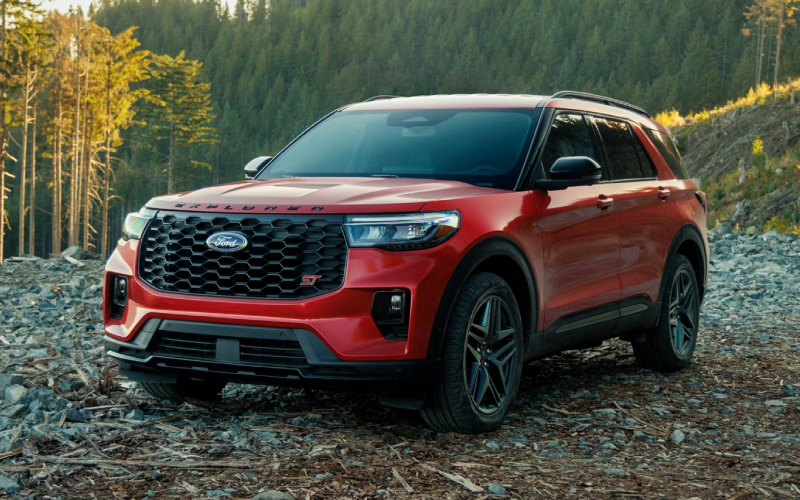
Al Packer Ford Royal Palm Beach – Which SUV Has More Confident Highway Passing — 2026 Ford Explorer or 2026 Toyota Highlander for West Palm Beach, FL?
When drivers ask which three-row SUV inspires more confidence for highway passing and busy I-95 merges, the conversation returns to two fundamentals: available power and the platform underneath. The 2026 Ford Explorer is engineered on a rear-wheel-drive architecture with an available 3.0L EcoBoost V6 that tops out at a published 400 horsepower in performance-focused trims, while the 2026 Toyota Highlander rides on a front-drive platform with a 2.4L turbo four-cylinder rated at 265 horsepower in gas models. On paper, that’s a decisive edge for the Ford, and on the road, it feels that way: rear-drive dynamics help keep the vehicle planted as power comes on, especially under load or when you’re passing on a short on-ramp window. Highlander’s setup is smooth and predictable, and its available AWD improves traction, but Explorer’s extra power and chassis balance are purpose-built for quick, drama-free acceleration when you need it most.
Power is only part of the story. Transmission behavior, available drive modes, and highway driver-assist tech influence real-world confidence, too. Explorer’s 10-speed automatic keeps the engine in its sweet spot, making kick-downs quick and decisive; the available Intelligent 4WD and selectable drive modes let you fine-tune responses for changing conditions. Ford BlueCruise, available on select trims, adds a layer of calm by enabling hands-free highway driving on compatible roads while you remain attentive—an asset during longer West Palm Beach stretches where traffic ebbs and flows. Highlander counters with a well-calibrated automatic that blends efficiency and response, plus Dynamic Torque Vectoring AWD and Multi-Terrain Select for enhanced stability and traction. Toyota Safety Sense™ 2.5+ brings thoughtful driver assists to everyday driving. The result is a composed, comfortable ride that many families appreciate, especially on steady-state cruises. But if your routine involves frequent merges, quick passes, or towing, Explorer’s readiness often proves the difference.
Here’s a quick, side-by-side snapshot of the factors that matter most when you’re aiming for confident passing and merging on South Florida corridors.
- Peak output and responsiveness: Explorer’s available 400-hp 3.0L EcoBoost V6 provides brisk, sustained acceleration; Highlander’s 2.4L turbo emphasizes smooth, everyday drivability.
- Chassis feel under throttle: Explorer’s rear-wheel-drive foundation helps maintain balance and stability during hard acceleration; Highlander’s front-drive architecture is calm and predictable but less rear-axle biased.
- Highway assist technology: Explorer’s available BlueCruise offers hands-free highway driving on compatible roads to reduce fatigue; Highlander’s Toyota Safety Sense™ 2.5+ provides robust assistance with hands-on operation.
- Towing composure when passing: Both can tow up to 5,000 lbs when properly equipped; Explorer’s platform and available power create more headroom for confident passes with a trailer.
These differences show up during everyday driving in and around West Palm Beach, from brisk merges onto I-95 to navigating the Florida Turnpike. Rear-drive balance and the availability of significant power matter when you have family on board and want assertive yet controlled acceleration. Explorer’s tuning leans into that reality, especially in ST and Tremor® configurations that sharpen responses without giving up daily comfort. Highlander’s calm demeanor and polished cabin will appeal to those who prioritize serenity, and its hybrid option focuses on efficiency. But when you need the most authority with the least effort, Ford’s recipe simply delivers more.
For shoppers who want a deeper dive into how passing power translates into real-world reassurance, a test drive can be illuminating. Try accelerating from 45 to 65 mph on a safe, open stretch, or simulate a quick lane change with steady throttle. Pay attention to steering feel, transmission reaction time, and how composed the SUV remains over surface changes. Explorer’s 10-speed automatic generally keeps you right in the torque band, and the chassis stays unruffled, making the move feel seamless. Highlander remains settled and secure, but won’t match the Ford’s punch in these scenarios. Factor in Explorer’s available 360-Degree Camera for confidence in tight lanes and Ford’s driver-assist technologies for long hauls, and you have an SUV that feels built for the ebb and flow of South Florida traffic.
At Al Packer Ford Royal Palm Beach, our product specialists can set up a back-to-back drive that focuses on the maneuvers you care about most—merges, passes, and confident roll-on acceleration—so you can feel the difference firsthand. We are proud to be serving Wellington, Jupiter, and West Palm Beach with an approach that starts with your daily driving needs, then maps features and trims to match. If confident passing is your top priority, Explorer’s powertrain, platform, and available hands-free highway tech make a compelling case.
Frequently Asked Questions:
Does the 2026 Ford Explorer offer hands-free highway driving?
Yes. Select Explorer trims are available with Ford BlueCruise, which enables hands-free highway driving on compatible roads while you remain attentive and ready to take control.
Can both SUVs tow confidently while passing on the highway?
Yes. When properly equipped, both can tow up to 5,000 lbs. Explorer’s rear-wheel-drive foundation and available higher-output engine typically provide more headroom for confident passing with a trailer.
How do the platforms affect highway composure?
Explorer’s rear-wheel-drive architecture contributes to a balanced, planted feel under acceleration. Highlander’s front-drive platform with available AWD prioritizes predictable stability, though it is less rear-axle biased during hard passes.
Request more 2026 Ford Explorer information
Connect with us


- May 2026
- April 2026
- March 2026
- February 2026
- January 2026
- December 2025
- November 2025
- October 2025
- September 2025
- August 2025
- July 2025
- June 2025
- October 2024
- March 2024
- February 2024
- January 2024
- December 2023
- August 2023
- July 2023
- June 2023
- May 2023
- April 2023
- February 2023
- December 2022
- November 2022
- October 2022